SotM-6 · Pathfinder 2e
The War That Remembers Every Slight
Book 6 of Sins of the Mirror — Wrath
4–6 sessions · 2-level module at current APL
 123
123Cinderreach
- 1. Mile of Hands (A1) — Still warm.
- 2. House Darn — Cannot be first.
- 3. House Veyr — Will not erase.
Adventure background
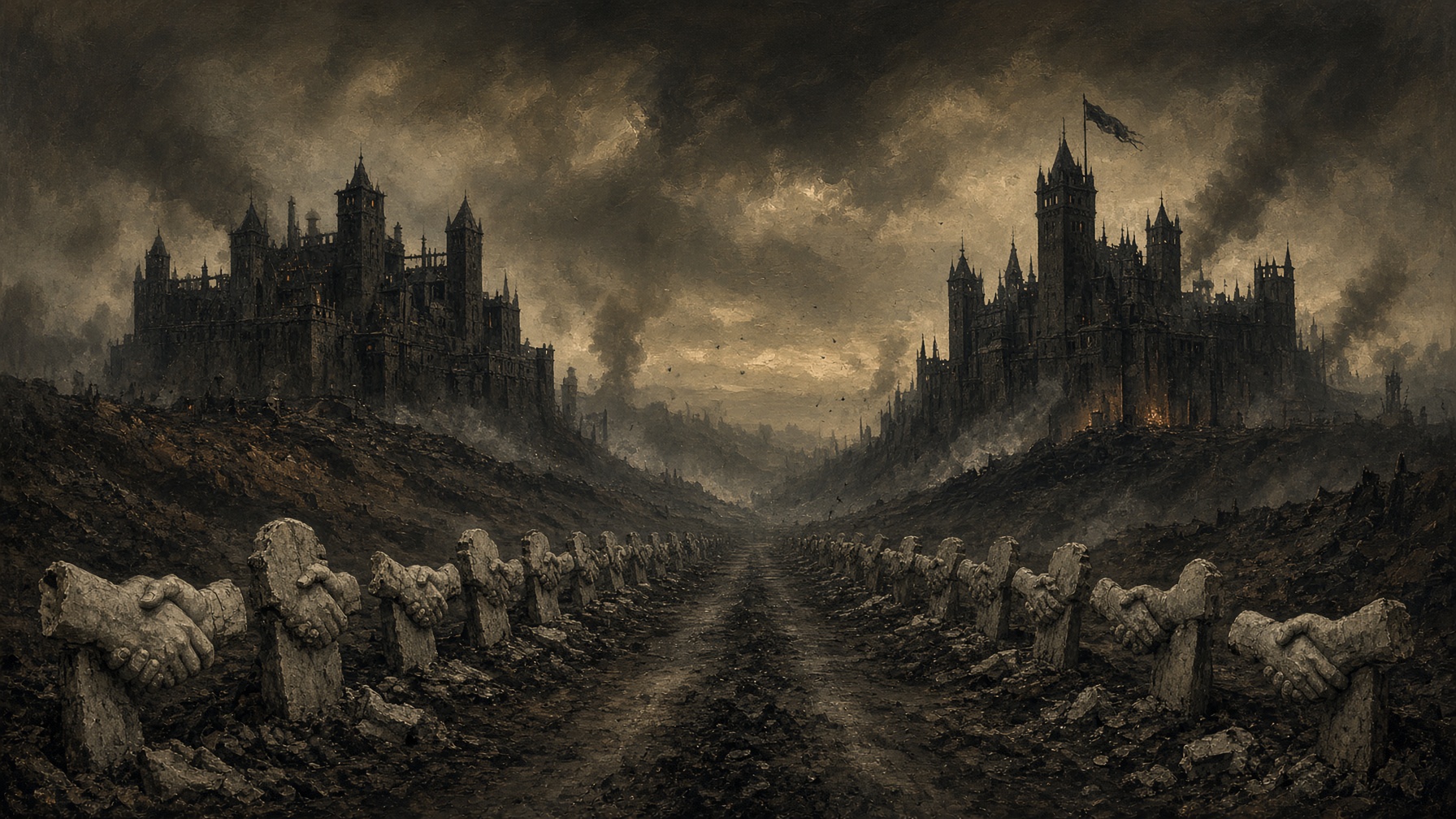
House Darn and House Veyr have been even for so long the original crime is missing. Cinderreach keeps slights warm. The Mile of Hands is a road of plaster casts of broken handshakes, still faintly hot.
Wrath here is identity. The question is who you are without the getting-even. Maera of the Last Seal will not walk this Court for them. She failed it.
Faces of the Court
Show these at the table. The Court has faces; use them.
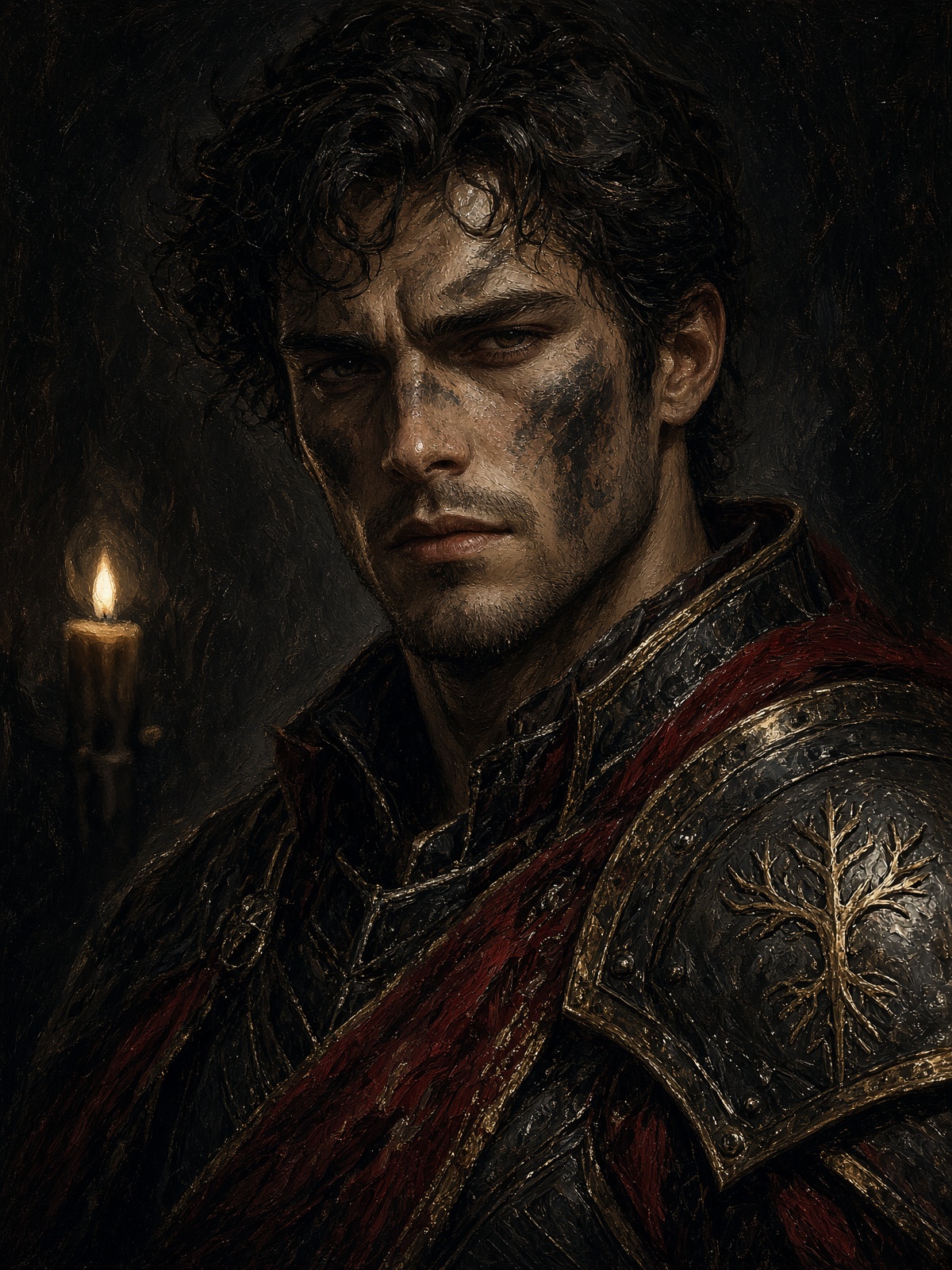
Captain who cannot be first
Darn the Younger
Wants. Not to be the coward the dead would spit on.
Lever. He can stand down second. He cannot stand down first. Give him a first.
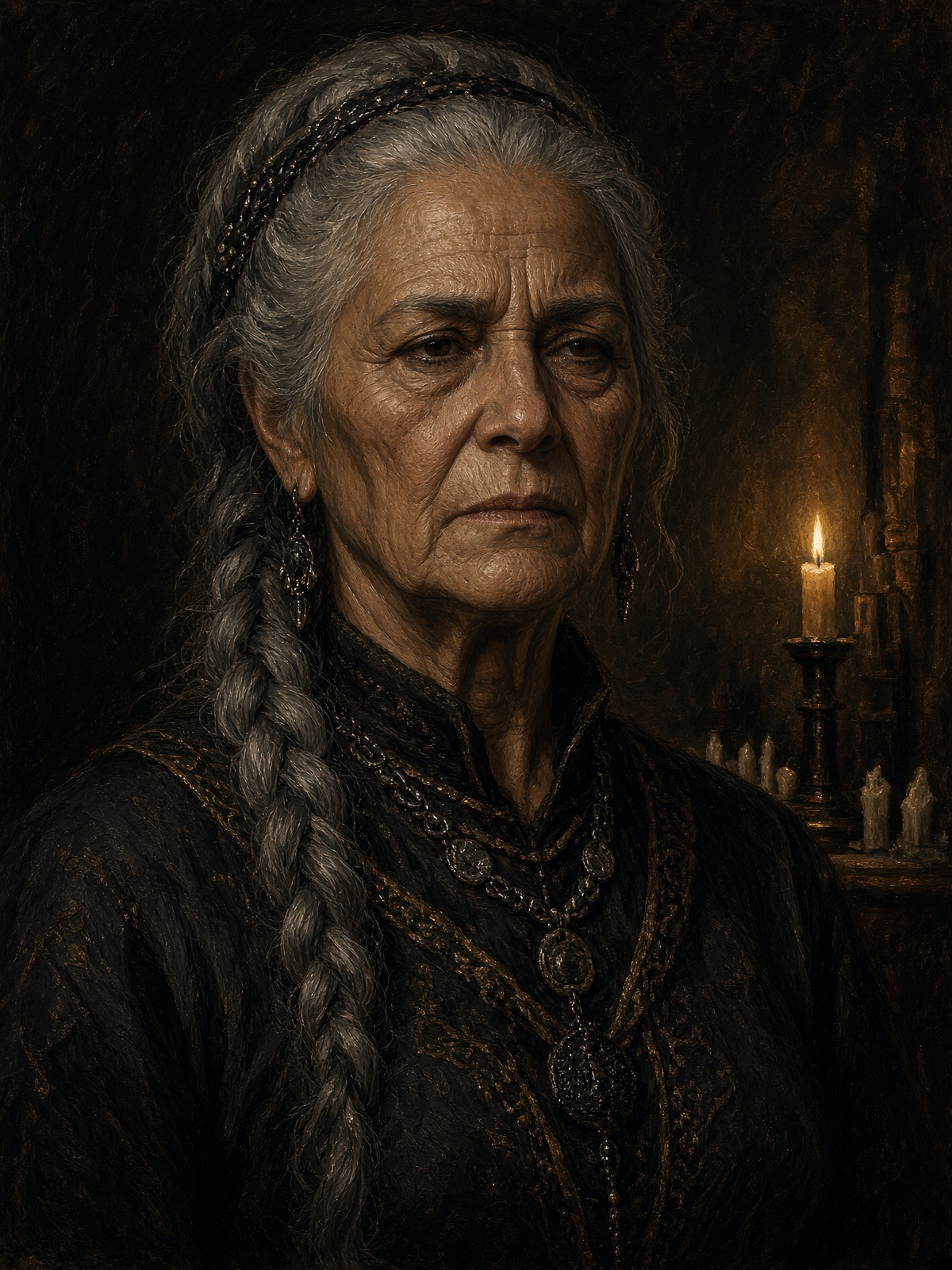
The unforgotten
Matriarch Veyr
Wants. The dead not erased for anyone’s convenience.
Lever. She will accept a living memorial. She will not accept a clean slate.
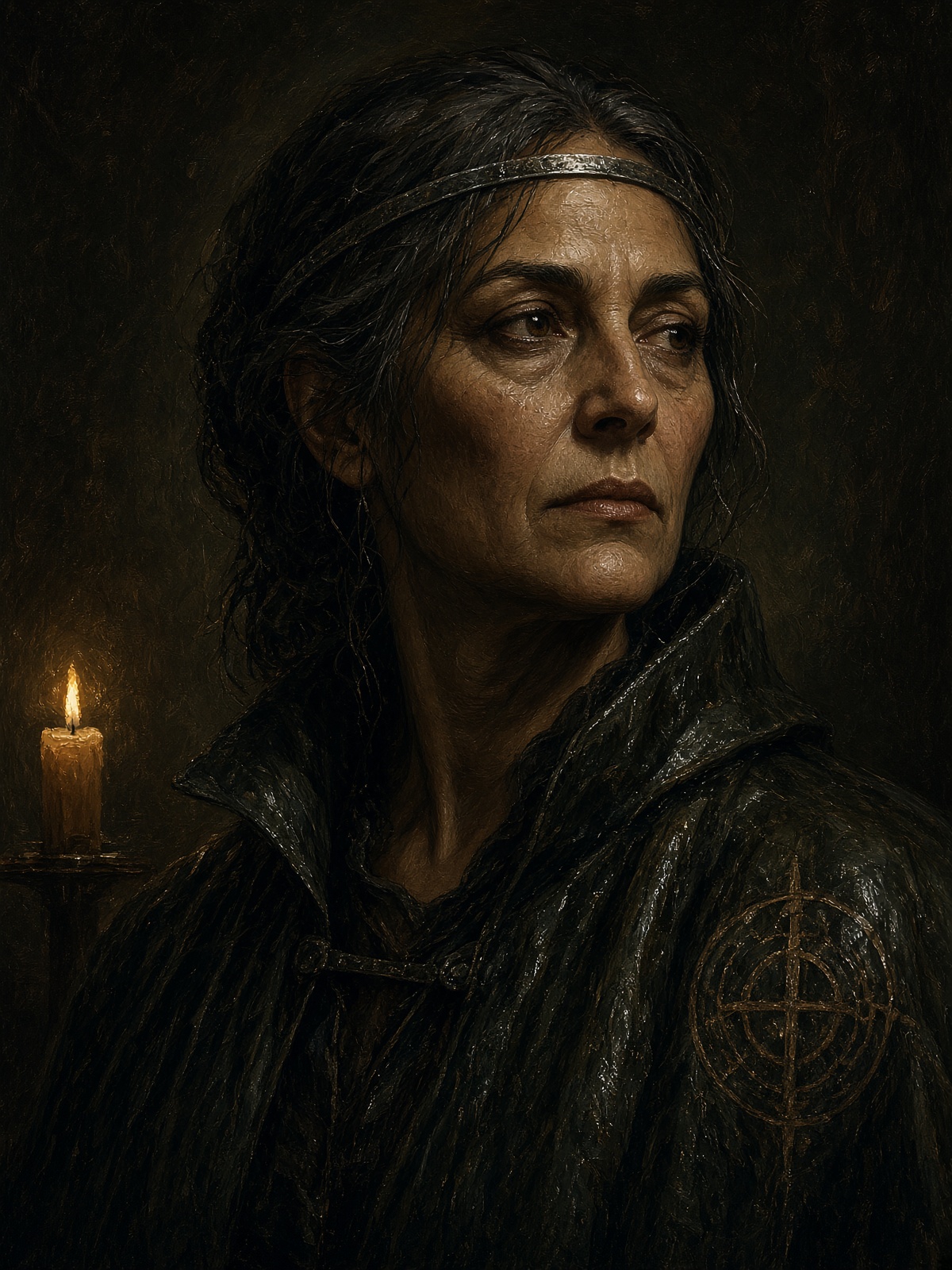
The one who failed this
Maera of the Last Seal
Wants. For someone else to do what she could not, or to be honest that they also could not.
Lever. She will not walk it for them. She will sit after.
Synopsis
Both houses hire the party. A living slight from a PC’s backstory is kept warm and offered as perfect revenge. Ash-child Rell was born in a nine-day truce; both houses claim them as proof. The Unforgiving appears as whoever last hurt you.
The winning move is often putting a blade down. Even is a kind of death.
Getting started
Run this book at the APL and player count on Your Table. Every DC, creature, gold piece, and XP award on this page is already filled for that table.
Suggested pacing: level once in the middle of Part 2 and once when the seal breaks. Listed XP is Pathfinder 2e per-PC encounter XP (a moderate fight is 80 XP each, not divided).
Do not skip the Inward Gaze at the climax. If you are short on time, cut a fight, not the looking.
Safety: this Court goes after righteous violence. Use the X-card. Do not restage a player’s real-world harm.
Treasure this book (~2 levels): 110 gp for the table
Permanent items: one item of level 1, one of level 1, 4 consumables of level 1
A
Part 1: The Mile of Hands
Ash, hiring, a slight kept warm.
A1. The casts
The road is lined with plaster hands, broken at the wrist, still warm. Your own palm, if you hold it near, itches to complete a shake that would be a lie.
Both houses have left letters. Both pay. Taking both is traditional and stupid.
- DC 15 (standard) — Society or Warfare lore to see the original crime is missing
Somebody’s grandfather’s skirmish
low · 60 XP each
They will stop if a handshake is completed and not broken. No one has managed that in a generation.
House skirmisher × 2
standard 1
Humanoid
- AC
- 17
- HP
- 23
- Perc
- +7
- Fort
- +10
- Ref
- +7
- Will
- +4
Melee Strike +9, Damage 1d8+4
Ability DC 17
Ash-levy × 4
minion -1
Humanoid, Minion
- AC
- 12
- HP
- 4
- Perc
- +5
- Fort
- +8
- Ref
- +5
- Will
- +2
Melee Strike +6, Damage 1d4+1
Ability DC 17
Treasure (minor): 6 gp.
A2. A living slight
The land keeps a scene from a PC’s backstory warm and offers perfect revenge, with a witness who will never doubt they were right.
A3. Maera, if she is alive
She will not explain her failure until they have one of their own, or refuse this Court. She will sit after. She will not walk it for them.
B
Part 2: Even
Rell, captains who cannot stand down, a battle that rewinds.
B1. Ash-child Rell
Born in a nine-day truce. Adult now. Both houses claim them as proof. Rell wants the truce back, which neither house can hear as a political position.
- DC 17 (hard) — Diplomacy to speak for Rell without making them a relic
B2. The rewind
The skirmish ends. Then it does not. A man you dropped stands up with the same wound and the same shout, as if the minute had been asked to repeat itself until the books match.
Teach the Court’s grammar here so C2 is not a surprise. Persistent damage and rewind end when someone forgoes a Strike they were entitled to — a righteous one, not a missed swing.
If nobody forgoes, the fight takes a day. Exhaustion. Rell watches from a ditch and learns the wrong lesson: evenness is all anyone knows how to want.
Do not TPK on the rewind. The Unforgiving prefers the lesson to the corpse. If a PC forgoes and the table jeers, that jeer is the Court talking. Name it.
A battle that will not stay over
moderate · 80 XP each
Persistent damage here only ends if someone forgoes. Teach the table the rule before C2.
Unforgiving echo
elite 2
Incorporeal
- AC
- 19
- HP
- 40
- Perc
- +11
- Fort
- +11
- Ref
- +8
- Will
- +5
Melee Strike +13, Damage 1d12+6
Ability DC 20
When reduced to 0, resets to half unless someone forgoes a righteous Strike they could have taken.
House champion × 2
standard 1
Humanoid
- AC
- 17
- HP
- 23
- Perc
- +7
- Fort
- +10
- Ref
- +7
- Will
- +4
Melee Strike +9, Damage 1d8+4
Ability DC 17
Treasure (standard): 14 gp.
B3. Captain and Matriarch
Darn the Younger cannot be first to stand down. Matriarch Veyr will not erase the dead. Both are right about one sentence and killing the country with it.
C
Part 3: Who are you if you never get to
The Unforgiving calls a final accounting.
C1. Everyone dies even
The Unforgiving’s offer: a last battle that makes the books match. No remainder. No one left to remember the slight, which is a kind of peace.
Put the offer in a voice the table already hates justly. If they take it, C2 is a fight they will win and a country that will be empty.
Rell will say, once, that they would rather be forgotten than even. Neither house can hear it as politics. The party can.
C2. The Unforgiving
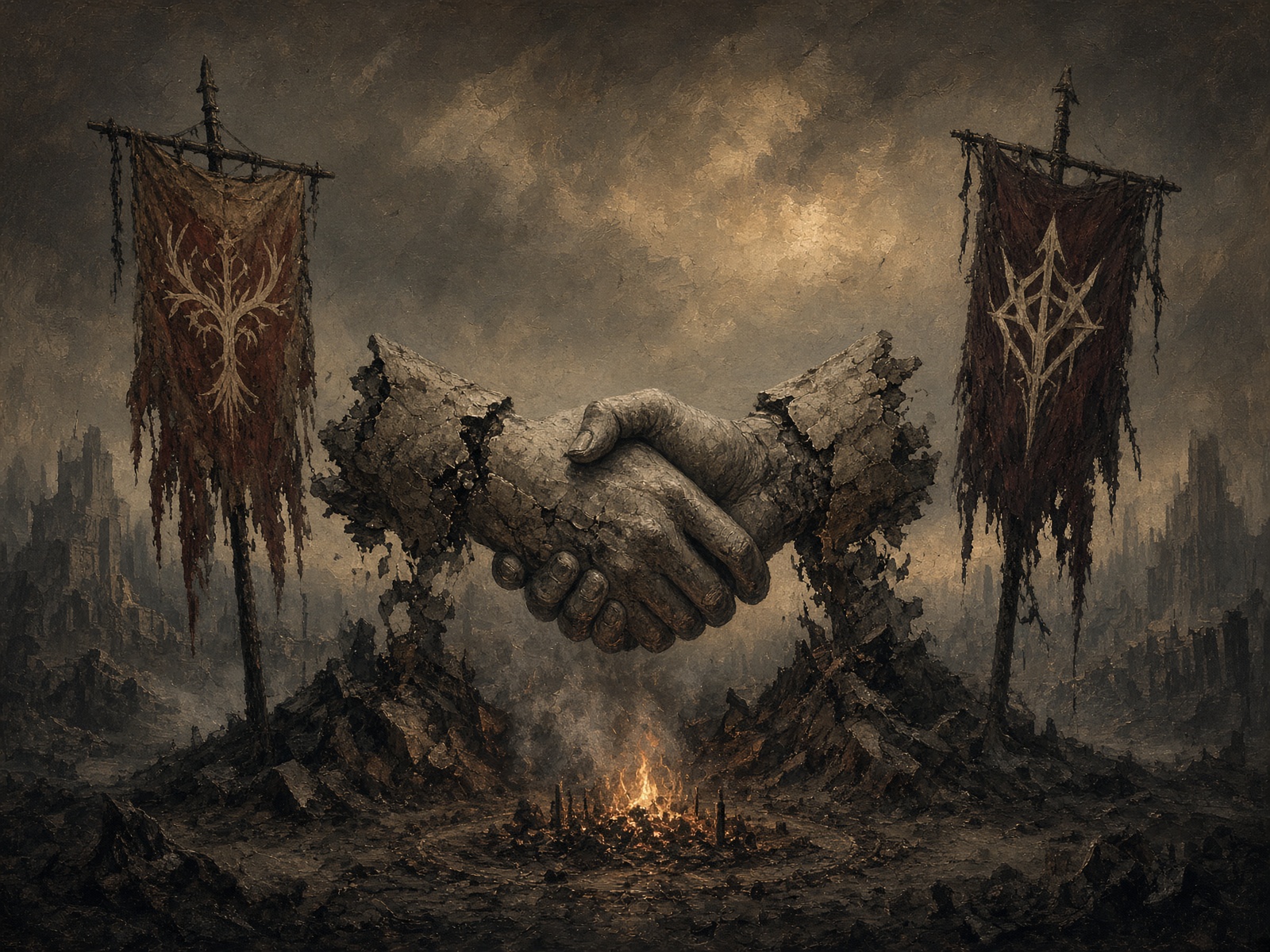
A1 / C2. The Mile
- A. The casts — Complete a shake without a lie.
- B. The fire — Rewinds unless someone forgoes.
The Mile is a congregation. The casts are hotter. The Unforgiving does not arrive as a beast. It arrives as the last person who hurt the PC it is looking at, wearing a just complaint.
It will offer a last battle that makes the books match: no remainder, no one left to remember the slight. That is a kind of peace. It is also a kind of death.
Putting a blade down can end this. Mean it: the entitled Strike is there, the math is perfect, and they do not take it. Maera, if present, will not do it for them. She will sit after.
Killing Darn and Veyr without a putting-down writes new hands on the Mile by morning. Rell becomes a relic either house can lift. Record whether anyone got even, and whether they still wanted to after.
At this band (mortal): Houses and ghosts of policy.
The Unforgiving
extreme · 160 XP each
Killing Darn and Veyr without a putting-down just writes new hands on the Mile.
The Unforgiving
solo 3
Unique
- AC
- 21
- HP
- 54
- Perc
- +12
- Fort
- +12
- Ref
- +9
- Will
- +6
Melee Strike +15, Damage 1d12+8
Ability DC 22
Appears as whoever last hurt the target. Persistent damage on all creatures; it ends on a creature only when that creature forgoes a Strike they were entitled to.
Warm slight × 3
standard 1
Incorporeal
- AC
- 17
- HP
- 23
- Perc
- +7
- Fort
- +7
- Ref
- +4
- Will
- +10
Melee Strike +9, Damage 1d8+4
Ability DC 17
Treasure (major): 20 gp plus a permanent item of level 1.
Conclusion
If Maera is here, she will say one true thing after, not before. Record whether any PC forwent a righteous hit.
How this Court ends
Pick the ending the table actually reached. Victory breaks the Seal of Wrath. Defeat and walking away do not. Then update the roster to the new levels.
Echoes to record
- Who put a blade down?
- Is Rell a person or a proof?
- Did anyone get even?
- What slight is still warm?
Bible notes for this Court
Working title: The War That Remembers Every Slight
The Court: Cinderreach, volcanic borderlands between two houses
Seal: Wrath
Suggested length: 4–6 sessions
Wrath is anger as identity. It is the refusal to put the blade down because the blade is the only story left that makes the pain make sense.
Core theme
You are not your wound. Cinderreach disagrees. Here, injury is law. A slight does not fade. Wounds do not close. The original crime between House Darn and House Veyr has been forgotten by everyone except the land, which will not forget on principle.
Main conflict
A war-spirit called the Unforgiving has been invited — or born — from centuries of feud. Every injury, insult, and unpaid blood-price is still happening, somewhere, in a fold of the region. People fight battles their grandparents already lost. Children inherit grudges as names.
Peace talks fail because peace feels like erasing the dead. Violence fails because the dead do not stay dead enough to count as a lesson.
The party is hired by both houses, of course, as “neutral steel.” Neutrality is a joke here. The Unforgiving will find the anger each PC is already carrying and offer to make it sacred.
The conflict: who are you when you are not angry — and is there anyone left if that anger is taken away?
How this book forces the characters to look inward
Wrath is the sin Pathfinder parties are built to enjoy. This book must not scold them for fighting. It must ask what the fighting is for once the orc is dead and the slight remains.
Give each PC a living slight: a scene from their backstory that Cinderreach has kept warm. An unpaid betrayal. A civilian they didn’t save. A joke at their expense they smiled through. The land offers a perfect revenge with a witness who will never doubt they were right.
The Inward Gaze:
What would you burn the world to punish? Who are you if you never get to?
Maera failed this Court. If the party has met her, they know. She will not come with them. That absence is a warning and a kindness.
The Court as a place
Black glass, red sky, fortresses that face each other across a cracked plain. The air tastes of old arguments. Rain hisses. Every inn has two guest books.
At the Mile of Hands, a road lined with the casts of every handshake that was later broken, the plaster still feels warm.
Key faces
- Captain Darn the Younger — decent, exhausted, cannot be the first to stand down. Would make a good ruler in a different book.
- Matriarch Veyr — keeps the names of the dead like a garden. Kind to her own. A furnace to everyone else. She is not wrong about what was done to them.
- The Unforgiving — appears as whoever last hurt you. Speaks in your own justifications, cleaned of doubt.
- Ash-child Rell — born during a truce that lasted nine days. Wants to be from nowhere. Both houses claim them as proof.
Climax
A final accounting is called. Every slight will be made whole — which means everyone dies even, and the land is satisfied.
The party can feed the Unforgiving (winning the war for one house), starve it by refusing a righteous kill, or take a slight upon themselves so someone else can put their blade down.
The hardest version: a PC must forgive something that does not deserve it. Forgiveness here is not a feeling. It is a forgoing.
Echoes to record
- Did the feud end, freeze, or change owners?
- Did a PC take revenge that was “earned”?
- Is the Unforgiving bound, dead, or following the party?
- What did someone refuse to forgive — and was that wisdom?
Scaling
Low: house skirmishes, hauntings of particular insults. Mid: battles that rewind unless the emotional debt is addressed. High: wrath as a plane pressing through; hits deal persistent damage that only confession or forgoing will stop.